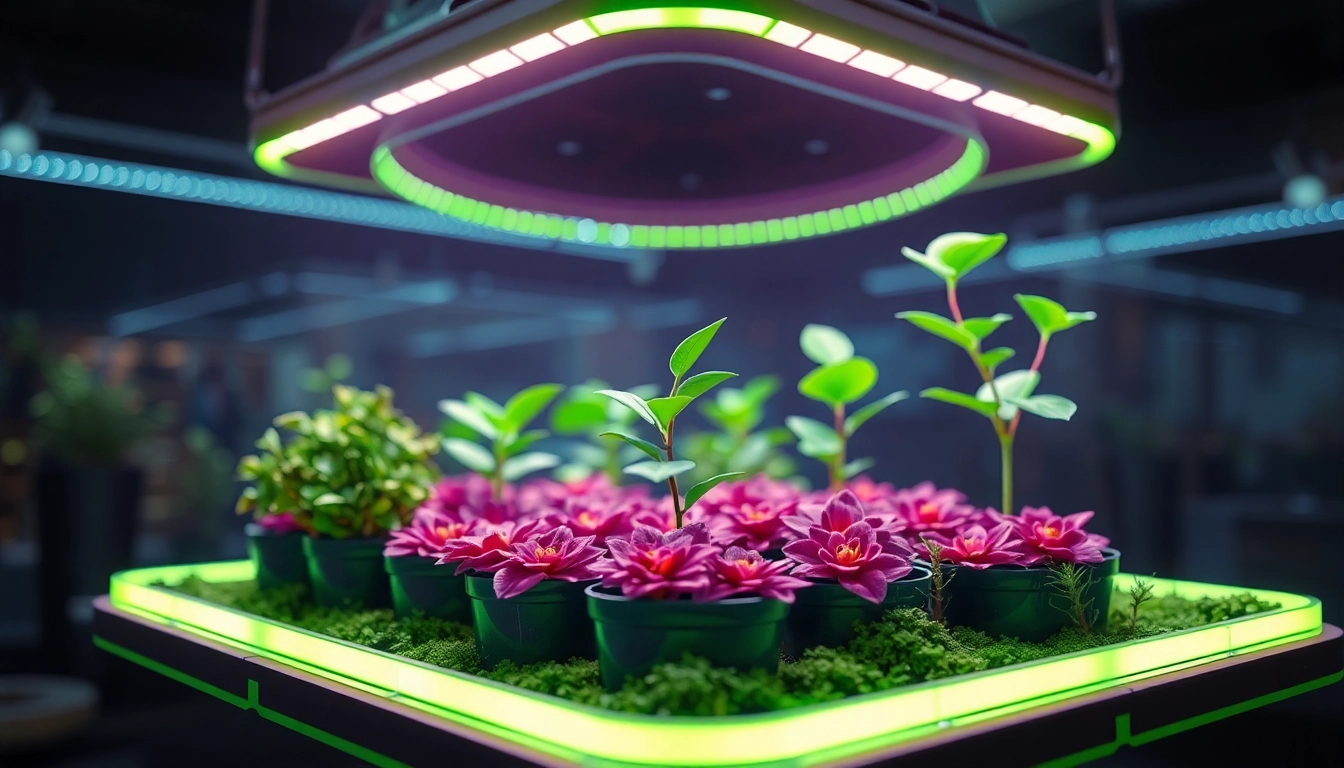
Top Indoor Hydroponic Gardens
After testing 12 indoor garden systems for a year, I’ve found that these smart hydroponic setups can help you grow a surprising bounty of greens, herbs, and even vegetables indoors. Each system has unique features, from AI-powered monitoring to simple wick-based watering, and all require some investment in time and maintenance. Here are the standout models I tested, with full details on specs, pros, cons, and maintenance.
Gardyn Indoor Hydroponic Garden (Best Overall)
The Gardyn Home 4 (30 plants) and Studio (16 plants) are easy to assemble and yield dramatic results. Seeds come in proprietary yCubes; the optional Kelby AI subscription (using OpenAI’s ChatGPT) provides customized watering and lighting for an additional cost. The system uses Rockwool growing medium, lights mounted on the front for tall plants, and a Vacation Mode. Maintenance: monthly tank cleaning and root checks. Light cycle: 14-16 hours. Pump cycle: 5 minutes three times daily (varies with Kelby). Dimensions: ~24″ H x 16″ W x 7″ D. Power consumption: 40 watts. Warranty: 2 years. Note: On February 24, 2026 and April 2, 2026, CISA reported vulnerabilities in Gardyn devices that could allow remote control. Gardyn patched these with firmware version 619 or later. Customers should ensure their devices are updated. Contact: [email protected] or 844-4-GARDYN.
Lettuce Grow Farmstand (A Garden That’s Also a Statement Piece)
Designed by Zooey Deschanel and Jacob Pechenik, the Farmstand comes in sizes from 18 to 36 plants. Its unique structure has a water-filled base and tiers with LED light rings. Assembly is intuitive and modular. The company sends grown seedlings, which can introduce pests like whiteflies and aphids (a new Plant Protection kit is available). The 20-gallon reservoir makes it hard to move; a hose is sold separately. A smart plug is recommended for timing. Light cycle: 14-17 hours (customizable). Pump cycle: 15 minutes every hour (customizable). Dimensions: 22″ base x 62″ H. Power consumption: 96 watts. Warranty: 3 years. No vacation mode.
Just Vertical EVE Tower Garden (Least Obtrusive Large Garden)
This Canadian brand emphasizes no subscriptions, capsules, or proprietary pods. The EVE comes mostly assembled, with enough seeds for a year, a growing sponge nursery, and liquid nutrients. It grows 12 plants, runs quietly, and has softer LEDs. The water tank hides inside the cabinet (19″x8″ footprint). Available in six colors. Light cycle: 18 hours (adjustable). Pump cycle: every 30 minutes. Dimensions: 18″ W x 8″ D x 57″ H. Power consumption: 0.072 kWh/hour. Warranty: 2 years. Ships from Toronto; import paperwork fees may apply.
AeroGarden Bounty (Best for Beginners)
The Bounty Elite (pictured) features a color touchscreen, 50-watt lights, Vacation Mode, and sunrise/sunset lighting. The Bounty Basic has 30-watt lights and fewer features. Both hold nine plants with telescoping lights and a trellis. The app is not required but can control settings. Pump noise increases when water is low (<50%). Light cycle: 15-17 hours (customizable). Pump cycle: 5 minutes every 30 minutes. Dimensions (Elite): 17" x 11" base, lights 14"-34" tall. Power consumption: 40-50 watts. Warranty: 1 year. Comes with a set of herb pods; optional tomato and jalapeño kits are available.
InstaFarm Automated Indoor Microgreens Garden (Best for Microgreens)
Fully assembled, uses soil-based trays with organic microgreen seeds. A nozzle moves across three levels every 90 minutes, sensing plant height, humidity, and temperature. It can accommodate up to nine trays. The trays cost $22 for a pack of nine (individual or subscription). Seeds sprout in about five days. The sensor may overwater red beet greens. Light cycle: 24/7 or night mode (10 hours off). Dimensions: 17.5″ W x 6.1″ D x 17.5″ H. Power consumption: 12.5 watts. Warranty: 60 days.
LetPot LPH-SE Senior Hydroponic Growing System (Best Budget)
Offers 12 pod holes; the top-mounted light limits height to 16 inches. Works well with rainbow chard and other leafy greens. Water-level gauge is easy to see. The app is unreliable; otherwise the unit is easy to use. Comes with peat plugs, but generic refills are inexpensive. Light cycle: 16 hours (customizable in app). Pump cycle: every 30 minutes. Dimensions: ~16″ x 7″ x 9.8″. Power consumption: 0.424 kWh/day. Warranty: 1 year.
Auk Mini (Best for Herbs Only)
A stylish tabletop garden with Nordic design, available in cork, walnut, or oak. No pumps, pH tests, or app needed. Uses coco coir pots; seeds sprout in days. Harvestable herbs within a few weeks. The light bar is 17 inches, limiting for fruiting plants. Light cycle: 17.5 hours. Dimensions: 17.5″ x 8.5″ x 14.5″. Power consumption: ~9 watts/day. Warranty: 100 days.
Rise Garden 3 (Best for Large Harvests)
Holds 36 to 108 plants across three levels. The metal frame hides a water tank; level reservoirs have lids with pod slots. The pump runs continuously, creating splashing noise. LEDs can heat the surface to 95°F, though herbs and lettuce grow slower; tomatoes thrive and taste great. Assembly is tricky. Light cycle: 16 hours. Dimensions: ~65″ H x 36″ W x 16″ D. Power consumption: 195 watts. Warranty: 3 years.
Click & Grow Smart Garden (Like Nespresso, but for Plants)
Uses proprietary seed pods with nutrient-packed smart soil. The wick system brings water up; no pump or nutrients needed. Very low maintenance but slow growth—lettuce took months. The non-Pro model has no app. Pods cost $3 to $4 each. Light cycle: 16 hours. Dimensions: ~24″ W x 16″ H x 7″ D. Power consumption: 13 watts. Warranty: 1 year.
AeroGarden Harvest Lite (Most Giftable)
A six-pod countertop garden with a single-button interface. No app needed. The 15-watt light extends up to 12 inches. Pump is quiet except when water is low. Comes in multiple colors, but pods are sold separately. Light cycle: 15-16 hours. Dimensions: 6″ x 9″ base. Power consumption: ~15 watts. Warranty: 1 year.
Lettuce Grow Counterstand Set (Most Decorative)
Uses the Kratky method with three amber beakers and an optional 18-inch LED lamp (16- or 18-hour timer). No pump. Comes with three live seedlings. Yields are small—a handful of leaves per week. Dimensions: beaker 4.25″ D x 6.5″ H; lamp 18″ H. Power consumption: 7 watts. Warranty: 90 days for beakers, 1 year for light.
North Spore Boomr Bin Automated Mushroom Monotub (Best for Mushrooms)
An easy way to grow mushrooms indoors. Includes tub, filters, hygrometer, humidifier, and fan. No paper instructions—online videos provided. Yielded bountiful oyster mushrooms and lion’s mane, which repeatedly fruited. Maintenance involves checking humidifier water and filters. Holds up to 25 pounds of substrate or three fruiting blocks. Dimensions: 22″ W x 15″ D x 11″ H. No warranty.
Honorable Mentions
Modern Sprout Micro-Greens Grow Kits: Simple mason jar systems with gravel and seeds; sprout in 5-10 days but produce few leaves. Titan 2-Tier Seedling Starter: Uses bamboo-fiber mats and half-gallon reservoirs; can add optional grow light. Consistent success for microgreens.
Not Recommended
Plantaform: Uses fogponics but won an Innovation Award at CES 2024. You cannot combine different plant types, and the device degraded indoor air quality as tested with an air quality monitor. The fertilizer mist is not contained. LetPot Smart Seed Starter: Has soil temperature and EC sensor and a heating pad, but quality control issues: high-pitched noise, intermittent EC sensor, auto-mode erases when unplugged, and light stopped staying on after six months.
FAQs About Hydroponic Gardening
What is hydroponics? Growing plants without soil, using water, wicks, or mist. Benefits: Cleaner produce, less water usage, higher yields, no weeds, ability to grow out-of-season crops. What can you grow? Almost anything except ground dwellers (peanuts, potatoes) and trees (apples, lemons). Downsides: Higher upfront cost, maintenance, risk of power outages, algae, and waterborne issues. Will I save money? No—ready-made systems remove hassle but are expensive; subscriptions add recurring costs. How much can you grow? Varies by system; greens grow fastest, fruiting plants slower and may need hand pollination. Where to place? Requires 1-2 sq ft; lights on ~16 hours (bright); pump noise may be disruptive; silent options exist (Auk, Click & Grow). Cost to maintain: Subscriptions and proprietary pods increase long-term cost; pump electricity is minimal unless multiple systems run.
How I Tested
I unboxed, assembled, and set up each garden exactly as instructed, using provided seeds, pods, or seedlings. I evaluated ease of setup, use, maintenance, space requirements, plant performance, and yields. All plants grew to harvest stage. I noted bolting, yields, and health. As a full-time working parent, I also considered practical hassles. Gardens were acquired as press samples with no guarantee of coverage; some are kept for extended testing, others donated locally. For questions: [email protected].