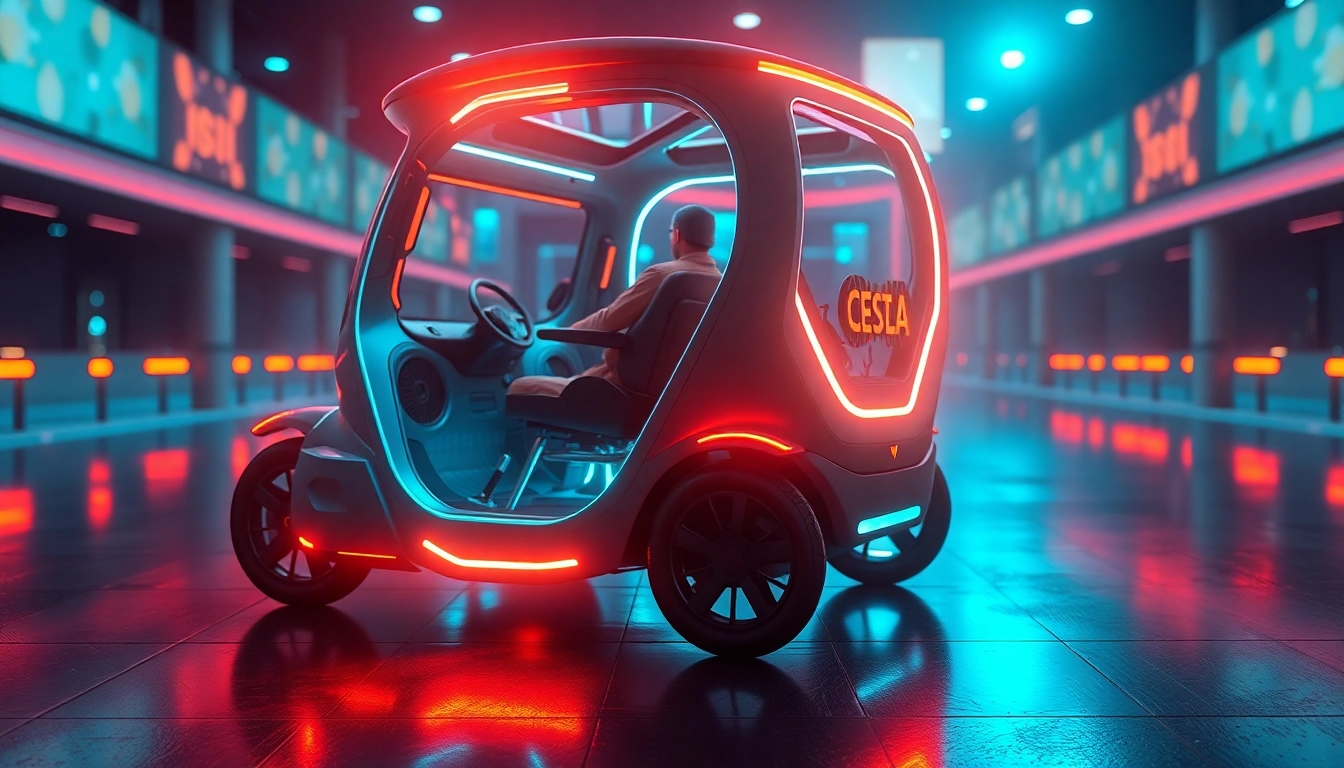
Tesla Confirms Development of Wheelchair-Accessible Robotaxi
On Monday, July 13, 2026, a Tesla representative told lawmakers in Washington, DC, that the company is actively building a wheelchair-accessible autonomous vehicle. India Herdman, Tesla senior policy advisor, stated during a DC City Council hearing on a controversial bill that could permit robotaxi services in the District: We are in development for a purpose-built, wheelchair-accessible autonomous vehicle.
She added, We know that paratransit can be very difficult, and people who are confined to wheelchairs permanently should still be able to move around freely, so that is an active product being built by Tesla in Texas.
Tesla did not respond to a request for comment. Herdman offered no further details on availability; the automaker often takes years to deliver announced products.
Current Tesla Robotaxi Fleet Lacks Accessibility
Tesla operates a limited fleet of driverless vehicles in Austin, Dallas, and Houston, Texas, and as of this month in Miami, Florida. It also runs a service in the San Francisco Bay Area. The fleet consists of Tesla Model Y compact SUVs, which are not wheelchair accessible. The company has begun manufacturing and testing the Cybercab, a purpose-built autonomous vehicle without steering wheels or pedals. These Cybercabs also lack wheelchair accessibility, though Tesla touted its accessibility features this month, including braille lettering on controls and wheelchair-height seating for easier transfers.
Past Hints at Accessible Rides
Tesla and CEO Elon Musk have previously indicated plans for a wheelchair-accessible autonomous vehicle. The company added an accessibility tab in its Robotaxi app last fall, but it directs users to other wheelchair-accessible ride providers rather than Tesla’s own service. The app states: We are working on accessible rides.
In response to an X user’s query last fall about Tesla working on accessible rides, Musk replied, Absolutely.
Industry Landscape and Legal Context
No US robotaxi company currently offers fleetwide driverless wheelchair-accessible rides, including market leader Waymo. At Monday’s DC hearing, Waymo regional head of state and local policy Matt Walsh said, To date, it’s my understanding that we haven’t been able to identify a platform that is fully wheelchair-accessible while also meeting the unique specifications to retrofit that vehicle with our technology. Now, I don’t want that to sound like a cop-out. We are trying to find that vehicle.
Waymo has highlighted accessibility features of its newest vehicle, the i, including a flat floor, low step-in height, and grab bars, but it is not wheelchair accessible. Michigan-based May Mobility offers wheelchair-accessible rides in some markets with a human operator to deploy ramps.
The Americans With Disabilities Act prohibits discrimination against people with disabilities in transportation and requires reasonable modifications. Some US cities mandate wheelchair-accessible services for ride-hailing companies. In September 2025, the US Department of Justice sued Uber for refusing to reasonably modify policies to avoid discriminating against riders with disabilities; the case is ongoing.
General Motors’ Cruise introduced a wheelchair-accessible vehicle in 2023 and planned a 2024 rollout. However, after an incident, Cruise halted national service in 2023, and the next year General Motors discontinued the project.